
What has Labor done to address the fuel crisis?
The Albanese Government has taken a series of actions to secure Australia's fuel supply, protect consumers from price gouging, and support affected industries following the outbreak of war in the Middle East.
Cost of living
Term 2
The US-Israel strikes on Iran in late February 2026 led to the effective closure of the Strait of Hormuz, a waterway that carries roughly a fifth of the world's seaborne oil and gas.
Oil prices surged past US$120 per barrel, fuel prices at Australian servos rose sharply, and regional areas began experiencing shortages driven largely by panic buying. The head of the International Energy Agency described it as the greatest global energy security challenge in history.
In response, the government moved on multiple fronts across supply, pricing, and industry support.
Increasing supply
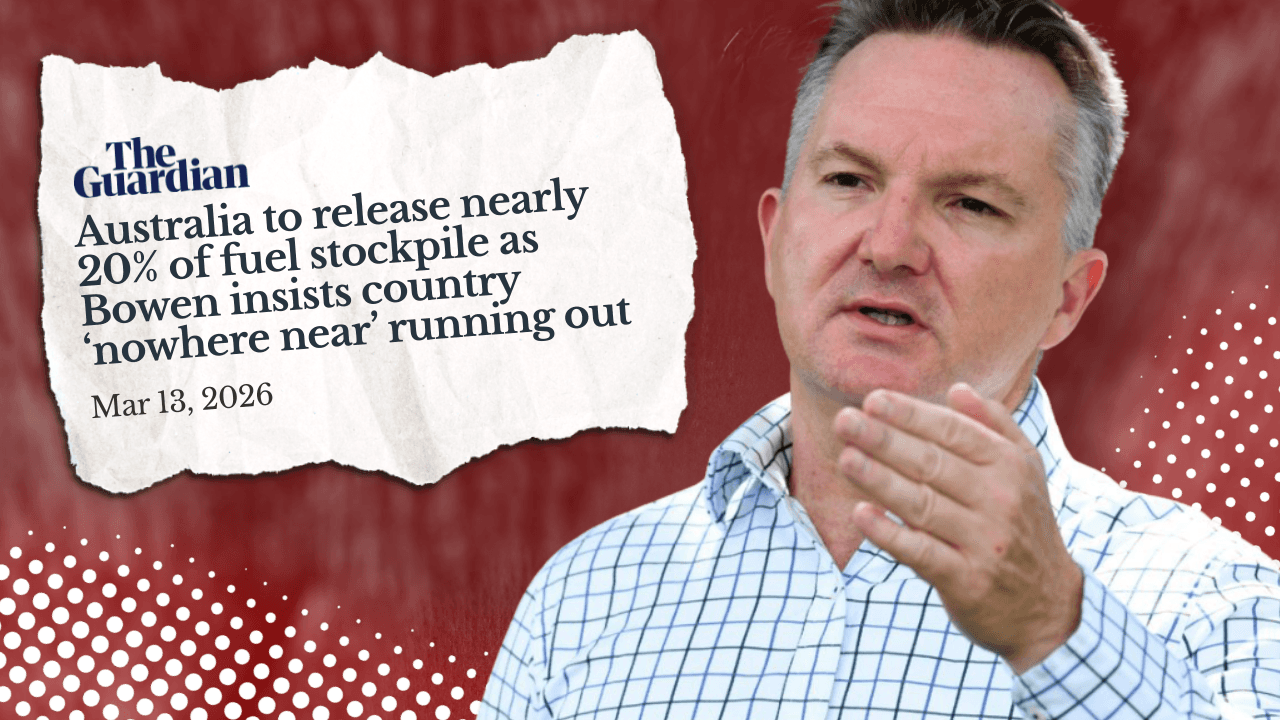
Energy Minister Chris Bowen authorised the release of up to 20 per cent of the baseline Minimum Stockholding Obligation, equivalent to approximately 762 million litres of petrol and diesel from domestic reserves. This was announced on 13 March 2026 as part of Australia's contribution to the IEA's coordinated release of 400 million barrels of oil globally.
To boost domestic production, the government temporarily lowered petrol standards for 60 days, allowing around 100 million litres per month of additional petrol supply - fuel that would otherwise have been exported from the Ampol Lytton refinery in Brisbane.
A separate six-month adjustment to diesel standards lowered the flashpoint requirement from 61.5°C to 60.5°C, giving Australian refineries more flexibility to produce diesel. Both remaining refineries (Ampol's Lytton and Viva Energy's Geelong) are running at full capacity, with all production directed exclusively to the Australian market.
The government also amended the Fuel Security Services Payment (FSSP), adjusting the trigger mechanism so that Australia's two remaining refineries can more easily access government support during loss-making periods. The payment cap remains at 1.8 cents per litre, but under the previous design, refiners had only accessed payments twice since 2021. The FSSP has also been extended to 30 June 2030, up from a previous end date of 2027. Four refineries closed under the previous Coalition government, including two while Angus Taylor was Energy Minister.
On the international front, six fuel shipments bound for Australia in April were cancelled due to the conflict. All six were replaced with alternative suppliers from alternative countries, and at least three additional spot cargoes were secured and confirmed en route to Australia. The government has been working specifically with regional partners including Singapore and South Korea to shore up supply lines.
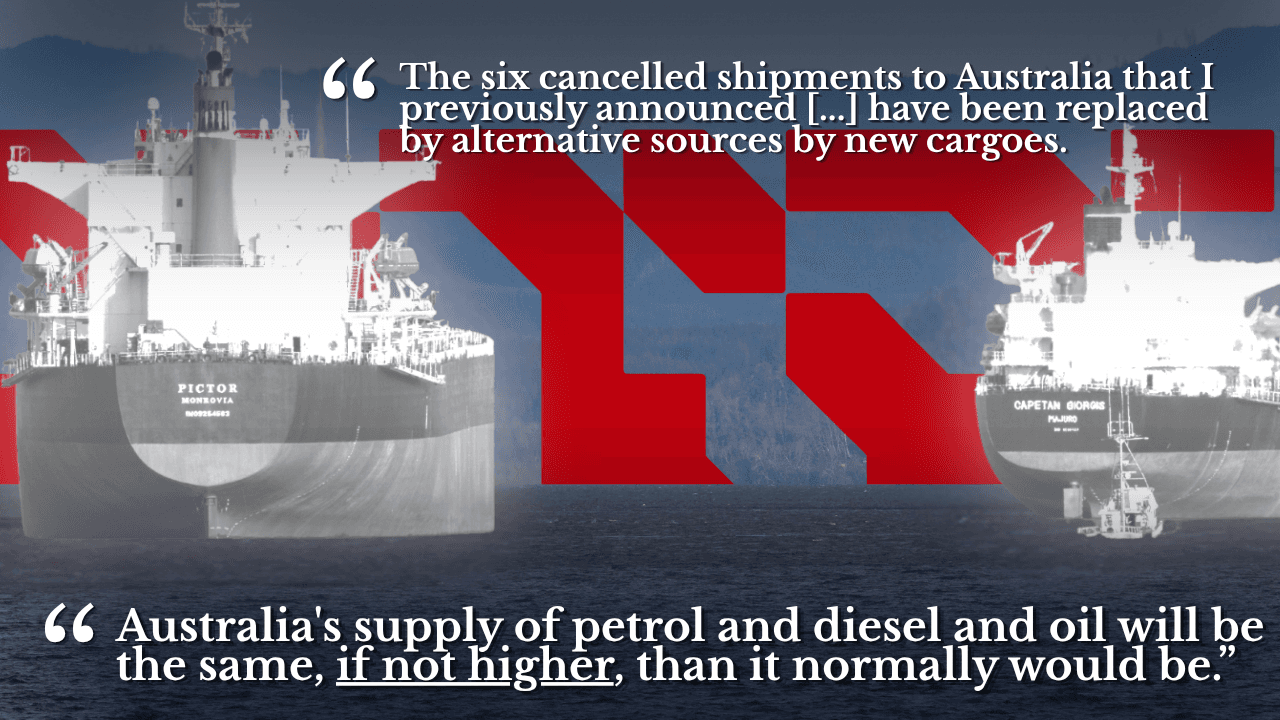
The measures are showing results. Ampol reported that its year-on-year supplies to independent distributors in regional Australia for March 2026 were up 40 per cent in regional New South Wales, 33 per cent in regional Queensland, 66 per cent in South Australia, 22 per cent in Tasmania, 19 per cent in Victoria and 64 per cent in Western Australia. Ampol's total supplies (including its own retail outlets) were up 34 per cent in New South Wales, 44 per cent in South Australia, and 27 per cent nationally.
Cracking down on price gouging
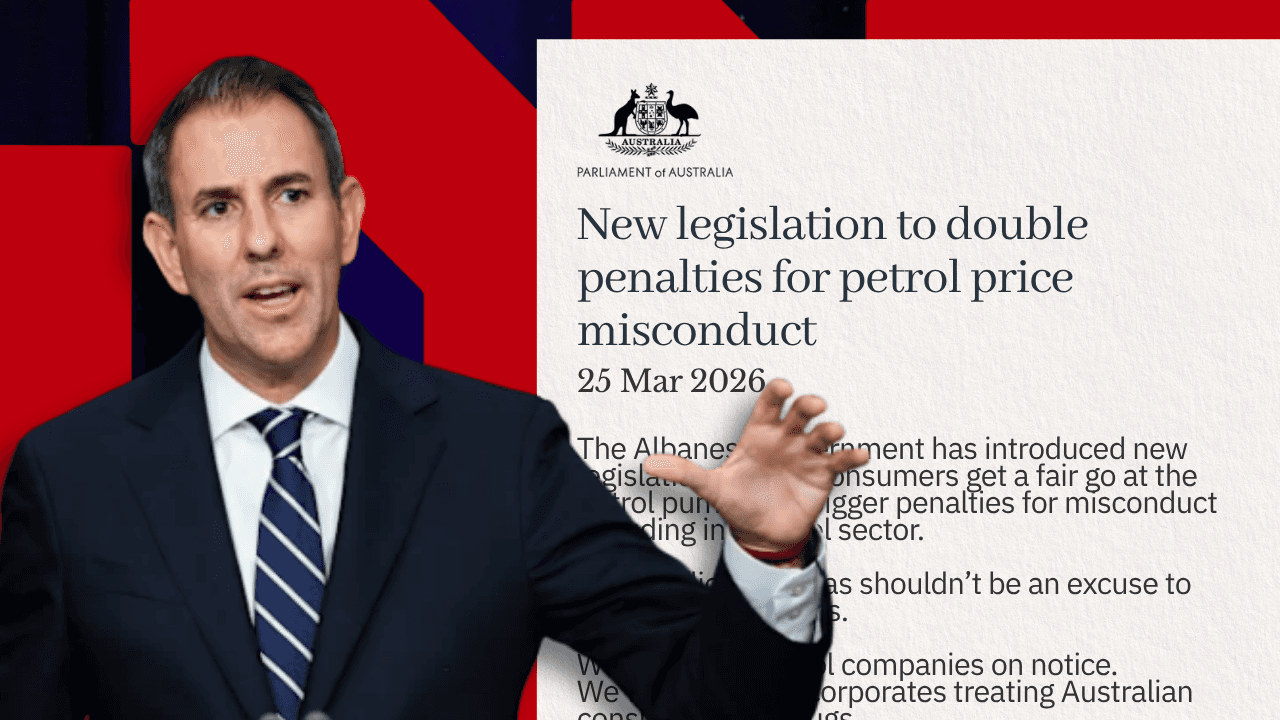
The Treasury Laws Amendment (Doubling Penalties for ACCC Enforcement) Bill 2026 was introduced and passed both houses of parliament, doubling maximum penalties for false or misleading conduct and cartel behaviour from $50 million to $100 million per offence. The government had already increased these penalties five-fold to $50 million in 2022. The ACCC was also given extended petrol price monitoring powers and the ability to issue on-the-spot fines.
The ACCC launched a formal investigation into alleged anti-competitive conduct by Ampol, BP, Mobil Oil and Viva Energy, following more than 500 reports of potential price gouging from consumers. It is worth noting that the new laws do not ban price gouging outright — they increase penalties for companies that engage in misleading conduct, price fixing or collusion around fuel pricing.

Supporting truckies and farmers
The government introduced and passed through the House of Representatives the Fair Work Amendment (Fairer Fuel) Bill 2026 on 26 March, which is now before the Senate. The bill would allow truck drivers and road transport businesses to make emergency applications for contract chain orders, removing the previous six-month waiting period.
Under this mechanism, the Fair Work Commission could require transport clients -including retailers, mining companies and manufacturers - to offer fair contract terms that ensure truckies are paid enough to cover the cost of fuel.
The bill was welcomed by the Australian Trucking Association, National Road Freighters Association, Australian Road Transport Industrial Organisation, and the Transport Workers' Union, all of whom had called for the changes and described them as urgent. The ATA is urging the Senate to pass the bill before Easter, with CEO Mathew Munro saying trucking businesses are running out of time and money.
The government also unlocked more than $2 million in additional funding for the Rural Financial Counselling Service (RFCS) to support farmers, fishers and small agricultural businesses experiencing or at risk of financial hardship due to the conflict.
Coordination and emergency mechanisms
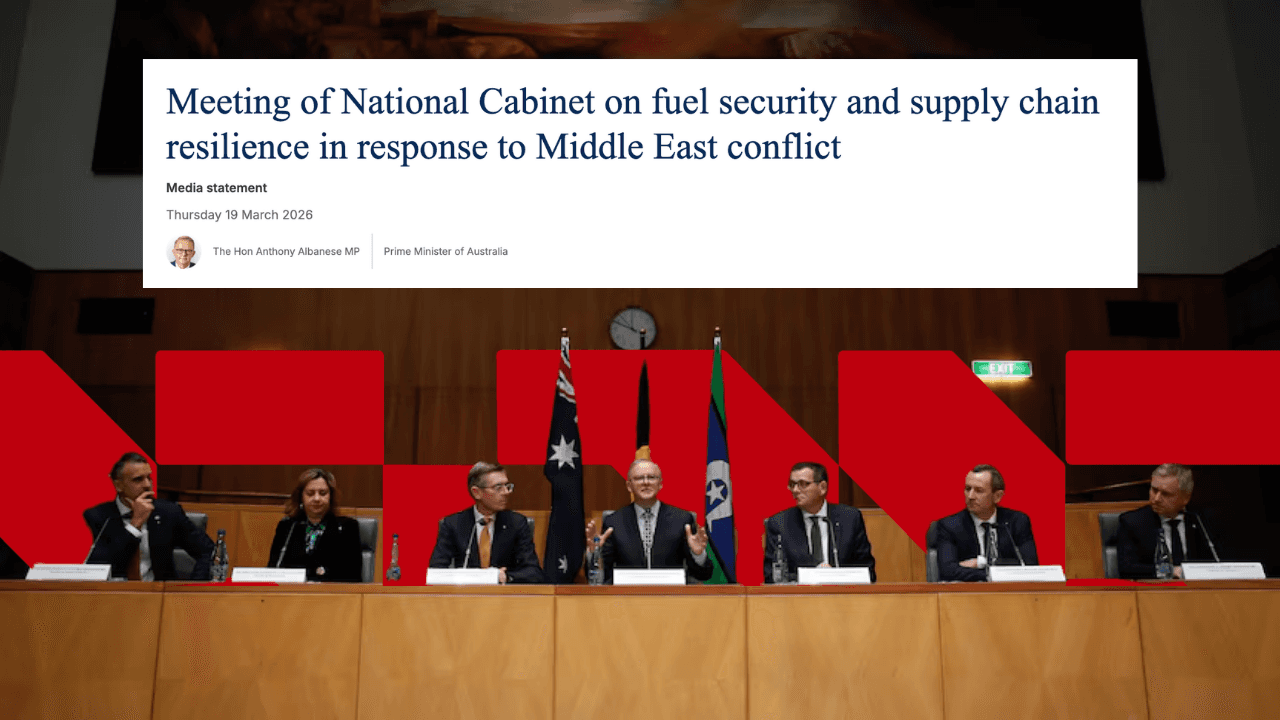
The Prime Minister convened National Cabinet on 19 March 2026, with leaders receiving situation updates from the Director General of the Office of National Intelligence and the head of ASIO. The government appointed Anthea Harris - formerly CEO of the Australian Energy Regulator and the Energy Security Board - as Fuel Supply Taskforce Coordinator.
Multiple emergency coordination mechanisms were activated, including the National Coordination Mechanism (which met at least twice) and the National Oil Supplies Emergency Committee (NOSEC), which advises on responses to national liquid fuel emergencies. The Minister for Foreign Affairs engaged international counterparts to help maintain fuel shipments to Australia from trade partners.
The opposition's response
On 26 March 2026, the Coalition moved to suspend standing orders and bring the ACCC penalties bill on for urgent debate - a bill it supported and had spent the previous night reviewing. The government agreed, but amended the motion to bundle the Fair Work Amendment (Fairer Fuel) Bill for concurrent debate. That bill had been introduced to the House that same morning.
The Coalition objected to the bundling, arguing the Fair Work bill had not been available for scrutiny by the opposition or the public. The Coalition supported and voted for the ACCC penalties bill, which passed both houses the same day. On the Fair Work bill, Coalition members - including the Member for Cook, who noted he had spoken to trucking companies worried about insolvency - walked out of the chamber rather than vote for legislation they said they had not had time to examine. The Leader of the Opposition did not attend the debate.
The Fair Work bill nonetheless passed the House and was transmitted to the Senate, where it has been introduced but not yet passed. All major transport industry bodies supported the bill and described the changes as urgent.
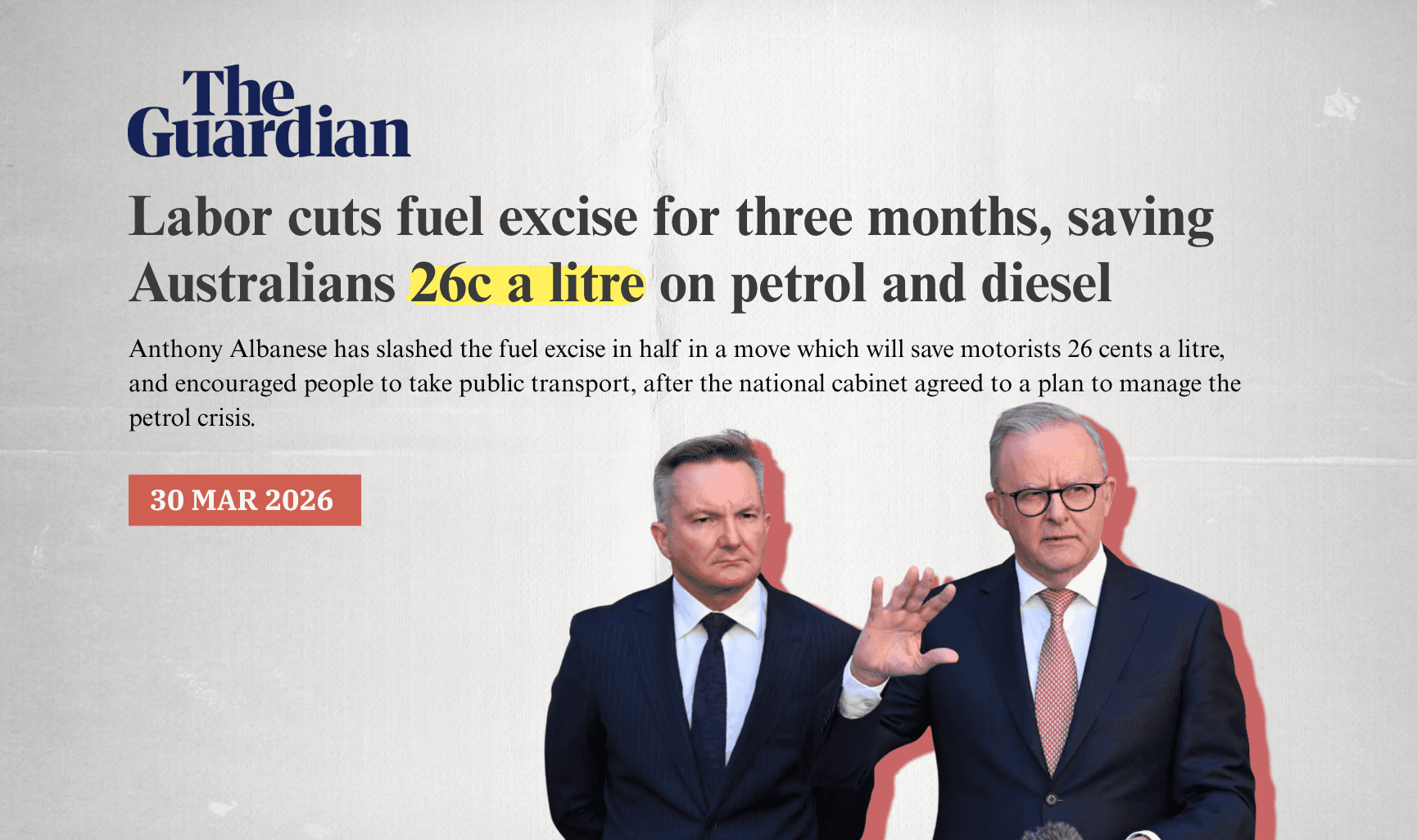
UPDATE: 30/03 - Labor cuts fuel excise
Following a National Cabinet, the Albanese Labor government announced a 50% reduction in the fuel excise for three months. The excise will be cut from 52.6 cents per litre to 26.3 cents per litre, taking effect from 1 April and running until 30 June 2026. The heavy vehicle road user charge will also be reduced to zero for the same period. The combined cost of both measures is $2.55 billion.
The government also asked the ACCC to monitor whether petrol stations pass the excise reduction on to consumers.
National Cabinet agreed to a four-level national fuel security framework, with the current setting at level two ("keeping Australia moving"). Albanese said Australia was "substantially away" from moving to level three, which would involve government-directed measures to reduce fuel demand. Level four would involve active government intervention to protect critical users.
Albanese encouraged Australians to use public transport where possible. Victoria and Tasmania announced free public transport; New South Wales and Western Australia declined to follow.
Summary:
762 million litres of petrol and diesel released from domestic reserves
Fuel quality standards temporarily adjusted, adding ~100 million litres of petrol per month
Diesel flashpoint standard lowered for six months to increase refinery flexibility
Both refineries running at full capacity, all output for domestic use
All six cancelled April fuel shipments replaced; three additional spot cargoes secured
Maximum penalties for fuel sector misconduct doubled to $100 million per offence
ACCC investigation launched into Ampol, BP, Mobil Oil and Viva Energy
ACCC granted on-the-spot fine powers and extended price monitoring
Fuel Security Services Payment trigger adjusted and extended to 2030
Fair Work Amendment (Fairer Fuel) Bill passed the House, now before the Senate
Fuel Supply Taskforce Coordinator appointed
National Cabinet convened; NOSEC and National Coordination Mechanism activated
$2+ million in additional funding for Rural Financial Counselling Service
Working with Singapore and South Korea on supply security
Fuel Excise cut for 3 months, saving Australians 26c/litre
Note: This is a live developing situation, and accurate as of 28/03. Contact us if there are any inaccuracies.
[1] https://www.pm.gov.au/media/meeting-national-cabinet-fuel-security-and-supply-chain-resilience-response-middle-east
[2] https://minister.dcceew.gov.au/bowen/media-releases/securing-australias-fuel-sovereignty
[3] https://ministers.treasury.gov.au/ministers/jim-chalmers-2022/media-releases/new-legislation-passes-parliament-double-penalties
[4] https://www.accc.gov.au/media-release/accc-investigating-diesel-supply-conduct-in-regional-and-rural-australia
[5] https://new.truck.net.au/senate-must-pass-fuel-bill/
[6] https://www.sbs.com.au/news/article/australia-fuel-shortage-2026/zl0grg7ey
[7] https://www.openaustralia.org.au/debates/?id=2026-03-26.12.2 (Hansard, House of Representatives, 26 March 2026)
[8] https://minister.agriculture.gov.au/watt/media-releases/extra-funding-support-rural-financial-counselling-service
[9] https://www.theguardian.com/australia-news/2026/mar/30/labor-to-halve-fuel-excise-on-petrol-and-diesel-for-three-months-after-national-cabinet-meeting
[9] Question Time (YouTube)
Updated: