Increasing Investments in Defence
The 2026 National Defence Strategy commits an additional $53 billion to defence over the next ten years, lifting projected spending to around 3 per cent of GDP by 2033-34. The funding accelerates investment in nuclear-powered submarines, an enhanced surface combatant fleet, autonomous and uncrewed systems, and a new naval shipbuilding precinct at Henderson in Western Australia.
Defence
Budget 2026-27
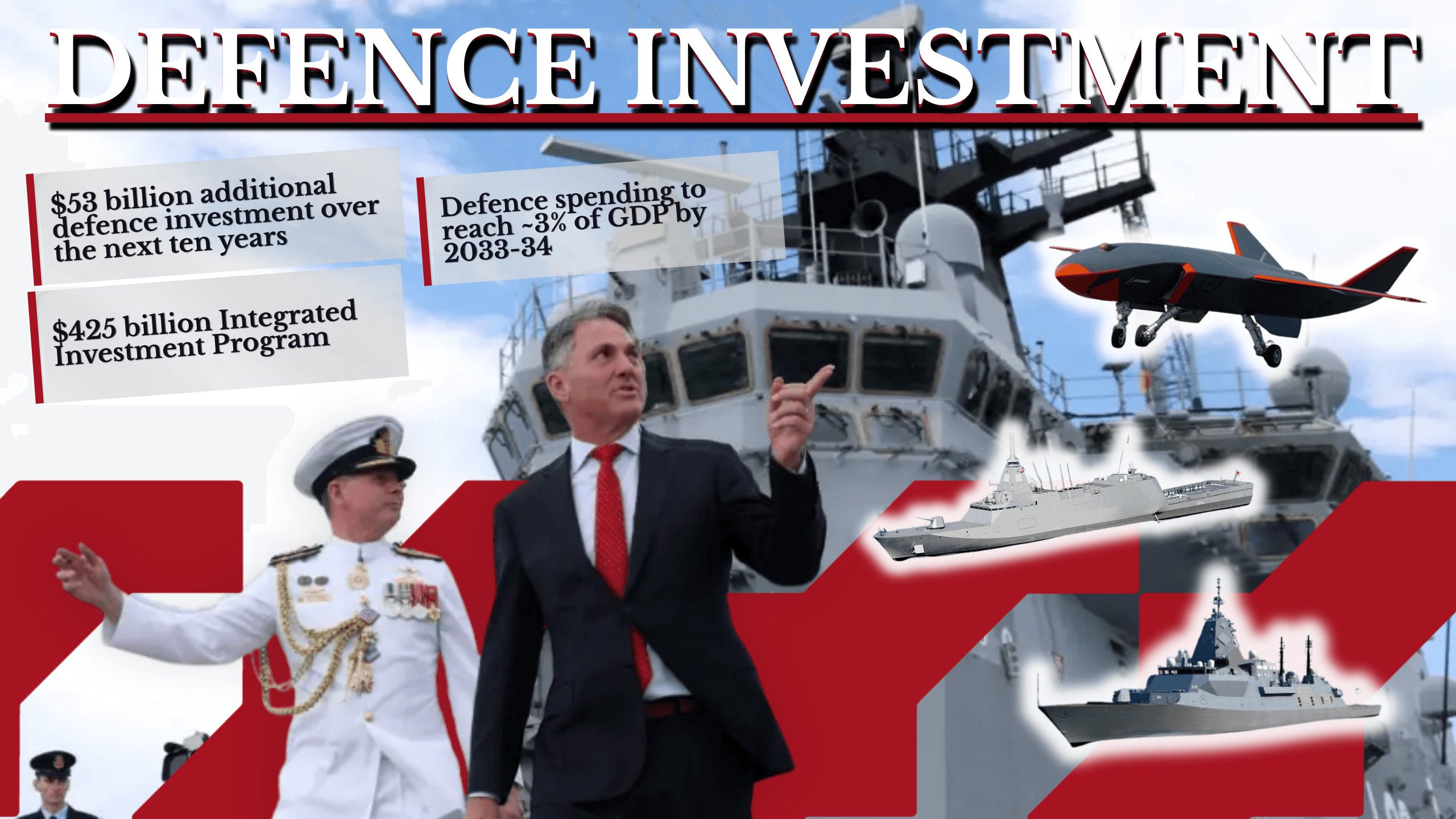
The 2026 National Defence Strategy (NDS) is the first revision of the strategy since the inaugural version was released in 2024. It assesses that Australia has entered "a more dangerous and unpredictable era, characterised by a more overt struggle among states where thresholds against the use of force are being eroded." The accompanying 2026 Integrated Investment Program (IIP) sets out where the new funding is going over the next decade.
Total Commonwealth defence expenditure over the decade is projected at $887 billion, with the IIP allocating $425 billion of that to new and accelerated capability. The $53 billion uplift is delivered through both direct Government investment and planned private sector leverage. $14 billion of the additional investment falls within the forward estimates.
Undersea Warfare and Submarines
The largest single allocation is up to $130 billion for enhanced undersea warfare capabilities. This is anchored by the planned fleet of conventionally-armed, nuclear-powered submarines being acquired under AUKUS. The IIP also commits to broader undersea sensing, weapons and platforms to deter and respond to threats in Australia's maritime approaches.
Surface Combatant Fleet
Up to $77 billion is allocated to the surface fleet and its supporting infrastructure. This includes the upgraded Japanese Mogami class frigates, selected as the next general-purpose frigate; the Hunter class anti-submarine frigates being built domestically; and broader fleet sustainment.
Autonomous and Uncrewed Systems
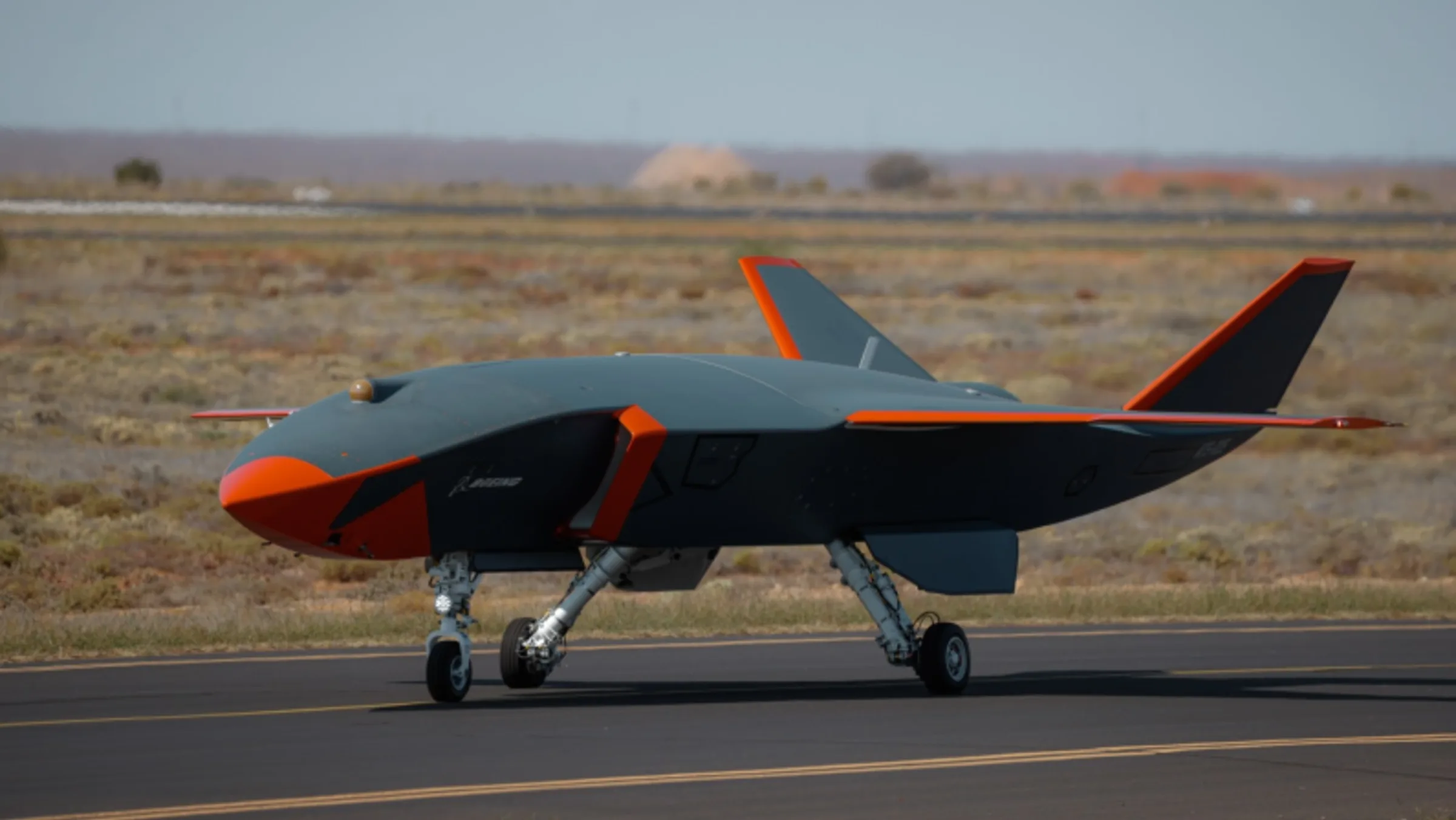
Up to $15 billion is allocated over the decade to autonomous and uncrewed systems. The IIP signals investment in both the Australian-designed and built MQ-28 Ghost Bat (an uncrewed combat air vehicle developed with Boeing Australia) and in smaller, low-cost drones designed for deployment in large numbers.
Henderson Defence Precinct
An initial $12 billion has been committed to establish the Henderson Defence Precinct in Western Australia as a centre of excellence for naval shipbuilding and sustainment. The precinct consolidates WA's shipbuilding industry and supports long-term maintenance of the surface and submarine fleets.
Indo-Pacific Cooperation and Reform
The Budget separately provides $600 million for enhanced defence cooperation in the Indo-Pacific. Defence is also pursuing reforms to acquisition and sustainment practices intended to improve value for money and build Australia's sovereign defence industrial base.
Trade-offs
To partly offset the new investment, around $10 billion will be redirected from existing programs over the decade. The headline saving is the early retirement of the RAAF's fleet of 10 Leonardo C-27J Spartan tactical transport aircraft. The Spartan has been in Australian service for around 11 years. Retiring the fleet frees roughly $5 billion that will be redirected to higher-priority capabilities. The C-27's lighter-duty roles will be picked up by commercial airframes for personnel and palletised freight transport across the Pacific, while heavier tactical airlift requirements transfer to the RAAF's C-130J Hercules fleet, with 20 additional Hercules already on order from Lockheed Martin and first deliveries expected in 2028.
A second point worth noting is how defence spending is being counted. The 3 per cent of GDP target by 2033-34 is calculated using a revised definition of defence expenditure that captures a broader range of national security spending than the previous, narrower measure. The Government has argued the revised approach better reflects whole-of-Government investment in defence and security; some analysts have noted that the definitional change makes the headline increase appear larger than a like-for-like comparison would suggest.
Key Figures
$53 billion additional defence investment over the decade
$14 billion of that additional investment within the forward estimates
$887 billion cumulative defence expenditure over the decade
$425 billion Integrated Investment Program
Up to $130 billion on undersea warfare and submarines
Up to $77 billion on the surface combatant fleet
Up to $15 billion on autonomous and uncrewed systems
$12 billion initial commitment to the Henderson Defence Precinct
$600 million for enhanced Indo-Pacific defence cooperation
~$10 billion in offsetting savings over the decade, including C-27J Spartan retirement
Target: ~3 per cent of GDP by 2033-34 (revised definition)
Sources
[1] Budget 2026-27 Overview: Building a resilient and secure Australia
[2] Defence Connect: National Defence Strategy 2026 — What's in, what's out
[3] The Aviationist: Australia Announces Early Retirement of C-27J Spartan Fleet
Updated: